My Store
a-ret 0.1% gel
a-ret 0.1% gel
Couldn't load pickup availability
A-Ret 0.1% Gel (Tretinoin Gel)
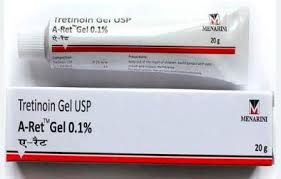
A-Ret 0.1% Gel is a prescription-strength topical retinoid formulated with tretinoin, a potent derivative of vitamin A. Manufactured by Menarini India, this is the highest available strength in the A-Ret range, designed for individuals who need a more intensive approach to acne control, textural resurfacing, or the visible signs of photoaging. Because of its higher concentration, A-Ret 0.1% Gel is generally reserved for patients who have already built tolerance to lower-strength retinoids or whose skin condition requires a stronger clinical effect.
This gel works by accelerating skin cell turnover, helping to clear clogged pores, reduce inflammation, and support the skin's natural renewal process. With consistent, correctly guided use, it can visibly improve acne, skin texture, and tone over time. As with all tretinoin formulations, it is available only by prescription and should be used under the guidance of a dermatologist or physician.
Composition
Each gram of A-Ret 0.1% Gel contains 0.1% w/w tretinoin as the active ingredient, suspended in a gel base designed for smooth, even application on the skin. This is the strongest of the commonly available A-Ret concentrations, sitting above the 0.025% and 0.05% formulations.
How It Works
Tretinoin belongs to a class of medications known as retinoids, which are derivatives of vitamin A. It works primarily by speeding up the turnover of skin cells — the natural process by which old, dead cells are shed and replaced with new ones. This accelerated turnover has several downstream effects:
- Pore clearing: By preventing dead skin cells from accumulating and blocking hair follicles, tretinoin helps reduce the formation of blackheads, whiteheads, and inflamed acne lesions.
- Anti-inflammatory action: Tretinoin helps calm the inflammatory processes involved in acne, which can reduce redness and swelling associated with breakouts.
- Collagen stimulation: In the deeper layers of the skin, tretinoin promotes collagen synthesis, which is central to its reputation for softening fine lines and improving skin firmness over time.
- Pigmentation fading: By turning over pigmented and sun-damaged cells more quickly, tretinoin can gradually help even out skin tone and fade the appearance of dark spots.
At the 0.1% concentration, these effects tend to occur more noticeably and often more quickly than with lower strengths — but this also means the skin's initial adjustment period is typically more pronounced.
Indications
A-Ret 0.1% Gel is primarily indicated for:
- Acne vulgaris, particularly cases that haven't responded adequately to lower-strength retinoids or other topical acne treatments
- Photoaging and fine lines, where a stronger formulation may be recommended to achieve more visible textural and tonal improvement
- Hyperpigmentation and acne scarring, as an adjunct to a broader skincare or dermatological treatment plan
- Skin texture concerns, including roughness and enlarged-looking pores, in patients who have already established retinoid tolerance
This higher-strength formulation is typically prescribed only after a patient has demonstrated tolerance to milder tretinoin concentrations, or in cases where a dermatologist determines a stronger initial approach is clinically appropriate.
How to Use
- Cleanse the skin. Wash the face with a gentle, non-drying cleanser and pat completely dry. Applying tretinoin to damp skin increases the likelihood of irritation.
- Wait before applying. Allow the skin to dry fully — many dermatologists recommend waiting 20–30 minutes after cleansing.
- Apply a pea-sized amount. Because this is the strongest available concentration, only a very small amount is needed to cover the entire treatment area. Using more does not improve results and substantially raises the risk of irritation.
- Apply at night only. Tretinoin degrades in sunlight and increases photosensitivity, so it should always be part of an evening skincare routine.
- Avoid sensitive areas. Keep the gel away from the eyes, lips, nostrils, and any broken, sunburned, or eczema-affected skin.
- Follow with a moisturizer. A fragrance-free, hydrating moisturizer can help offset dryness, particularly important at this higher strength.
- Apply sunscreen every morning. This is essential, not optional — treated skin is significantly more vulnerable to UV damage and sunburn.
- Start gradually. Due to its potency, A-Ret 0.1% Gel is often introduced two to three times per week initially, with frequency increased gradually as tolerated, rather than starting with nightly use.
Precautions
- Not recommended during pregnancy or breastfeeding without explicit medical guidance, as retinoids carry potential risks in these situations.
- Should not be used on broken, eczematous, or sunburned skin.
- Avoid combining with other strong topical actives — such as benzoyl peroxide, exfoliating acids, or additional retinoids — unless specifically directed by a physician, as this significantly increases irritation risk.
- Avoid chemical peels, laser treatments, or other resurfacing procedures while using this product unless approved by your dermatologist.
- Not intended for use in children or in patients with known hypersensitivity to tretinoin or any gel components.
- Limit unprotected sun exposure and avoid tanning beds throughout treatment.
Side Effects
Because A-Ret 0.1% Gel is the highest-strength formulation in its range, an initial adjustment period with some skin irritation is common and expected. Typical side effects include:
- Redness and mild burning or stinging on application
- Dryness, flaking, and peeling
- Increased sun sensitivity
- Temporary purging, where acne may appear to worsen briefly before improving
- Itching or mild irritation at the site of application
Most of these effects are temporary and tend to ease as the skin builds tolerance over several weeks. If irritation is significant, reducing application frequency — rather than discontinuing altogether — is often recommended, ideally in consultation with a prescribing doctor.
Less common but more serious reactions — such as an allergic response with swelling of the face, lips, or throat, or severe blistering — warrant prompt medical attention.
Expected Results Timeline
- Weeks 1–2: Skin adjustment phase; some redness, dryness, or a temporary increase in breakouts is common.
- Weeks 3–6: Irritation generally begins to subside as tolerance builds; early improvements in texture may appear.
- Weeks 6–8: Visible reduction in active acne and smoother overall texture for many users.
- 3+ months: Longer-term benefits, including fading hyperpigmentation and softened fine lines, tend to become more apparent with continued, consistent use.
Storage
Store A-Ret 0.1% Gel at room temperature, away from direct sunlight and excessive heat. Keep the tube tightly closed and out of reach of children.
Summary
A-Ret 0.1% Gel offers a potent, clinically established approach to treating acne and improving overall skin texture and tone, backed by the well-documented mechanism of tretinoin. Given its strength, it's best suited for patients under the guidance of a dermatologist who can tailor the application frequency to individual skin tolerance. With consistent, properly managed use — paired with diligent sun protection — it can deliver meaningful, longer-term improvements in skin clarity and appearance.
This description is for general informational purposes only and does not replace professional medical advice. Consult a healthcare provider before using A-Ret 0.1% Gel.
Share
