Careprosts: $15 Online
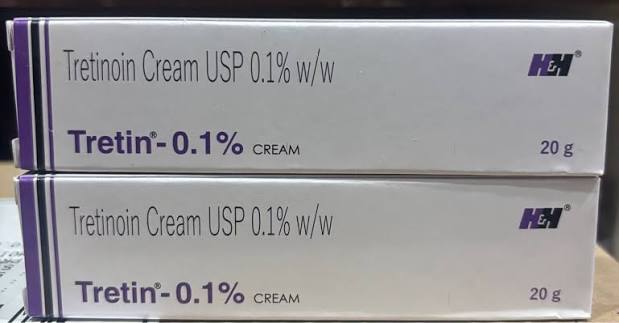
Tretin cream 0.1
Tretin cream 0.1
Couldn't load pickup availability
Tretin Cream 0.1% (Tretinoin)
Active Ingredient: Tretinoin (All-trans Retinoic Acid) 0.1% w/w Form: Topical Cream Category: Retinoid / Anti-acne, Anti-aging agent Common Pack Sizes: 10 g, 20 g tubes
Product Description
Tretin Cream 0.1% is a topical medication containing Tretinoin, also known as all-trans retinoic acid, a derivative of Vitamin A. It belongs to a class of medications called retinoids, used extensively in dermatology to influence skin cell turnover, help clear congested pores, and stimulate collagen production. The 0.1% strength is the highest commonly available concentration of tretinoin cream, and is generally reserved for individuals who have already built tolerance to lower strengths, or for cases where a physician determines that a more potent formulation is appropriate for the condition being treated.
At a cellular level, tretinoin binds to retinoic acid receptors in the skin, helping to normalize the growth, maturation, and shedding of skin cells. This accelerated, more regular turnover helps prevent dead skin cells from clogging hair follicles — a central factor in acne formation — and over time can also improve the appearance of fine lines, rough texture, and certain types of superficial pigmentation. Because 0.1% delivers a stronger concentration of the active ingredient, its effects on cell turnover tend to be more pronounced, which can translate to faster or more noticeable results, but also a higher likelihood of irritation, especially during the initial weeks of use.
Tretin Cream 0.1% is typically prescribed for:
- More persistent or moderate acne vulgaris, particularly in cases where lower-strength retinoids have not produced sufficient improvement
- Photoaging and more pronounced fine lines or texture irregularities, as part of a dermatologist-supervised treatment plan
- Individuals who have already built tolerance to tretinoin at 0.025% or 0.05% and are stepping up under medical guidance for a stronger effect
Because this is the highest standard strength, it is rarely used as a first retinoid. Most dermatologists start patients at a lower concentration and increase strength gradually over weeks or months, based on how the skin responds. Stepping directly to 0.1% without prior retinoid use significantly increases the risk of pronounced irritation, redness, and peeling.
How It Is Typically Used
Tretinoin is almost always applied at night, since it degrades in sunlight and increases the skin's sensitivity to UV exposure. A pea-sized amount is generally enough for the entire face, applied to clean, completely dry skin, since applying it to damp skin can heighten irritation. At the 0.1% strength, a cautious application schedule is especially important — often starting at just one or two nights per week and increasing frequency slowly over several weeks, rather than moving to nightly use early on. A gentle, fragrance-free moisturizer is commonly used alongside it to help manage dryness, and daily sunscreen is essential throughout treatment given the heightened photosensitivity associated with retinoid use.
Results at this strength can appear somewhat faster than with lower concentrations, though the process is still gradual overall. Many people experience a purging phase in the first few weeks, where breakouts may temporarily worsen as clogged pores are brought to the surface more quickly. Visible improvement in acne, texture, or pigmentation is generally seen after 8 to 12 weeks of consistent use, with continued benefits over several months.
Common Side Effects
Because 0.1% is the strongest widely available tretinoin concentration, side effects tend to be more noticeable, particularly in the early stages of treatment. These can include:
- Pronounced redness or a burning/stinging sensation
- Significant dryness, flaking, or peeling
- Heightened sensitivity to sunlight
- A temporary worsening of acne during the initial purging phase
- Occasional discomfort or tightness in the treated area
These effects are usually most intense in the first few weeks and tend to ease as the skin adjusts, especially when application frequency is increased gradually rather than all at once. Persistent or severe irritation, or signs of an allergic reaction such as swelling or blistering, should prompt discontinuation of use and a consultation with a healthcare provider.
Precautions
Given its higher potency, Tretin Cream 0.1% requires careful supervision from a dermatologist or physician, who can determine whether this strength is appropriate and guide the application schedule accordingly. General precautions include:
- Increased sun sensitivity: Daily broad-spectrum sunscreen and sun-protective measures are strongly recommended, and sun exposure should generally be minimized during treatment.
- Avoid combining with other strong actives: Using tretinoin at this strength alongside other exfoliants, strong acids, benzoyl peroxide, or additional retinoids without medical guidance can significantly increase the risk of irritation.
- Not for use during pregnancy or breastfeeding unless explicitly directed otherwise by a doctor, given the general caution applied to this medication class in these circumstances.
- Gradual buildup is essential — this strength is not intended for retinoid-naive skin, and rushing frequency or amount applied substantially raises the risk of significant irritation without necessarily improving outcomes.
- Patch testing and close monitoring by a healthcare provider are particularly important at this concentration, given the greater potential for adverse skin reactions.
Who It May Be Suitable For
Tretin Cream 0.1% is generally reserved for individuals with more resistant or moderate acne, or those pursuing more targeted anti-aging treatment, who have already demonstrated tolerance to lower-strength tretinoin under medical supervision. It is not appropriate as a starting point for those new to retinoids or for individuals with notably sensitive or reactive skin. As with all tretinoin formulations, its use should be guided by a dermatologist who can assess the individual's skin history, current tolerance, and treatment goals before prescribing this strength.
This content is for general informational purposes only and does not replace professional medical advice. Tretinoin is a prescription-strength retinoid in most regions, and its use, strength, and application schedule should always be determined by a qualified dermatologist or physician based on individual skin assessment.
Share